
Understanding spring physics: The science behind how springs work
Veröffentlicht: 2025 01 27
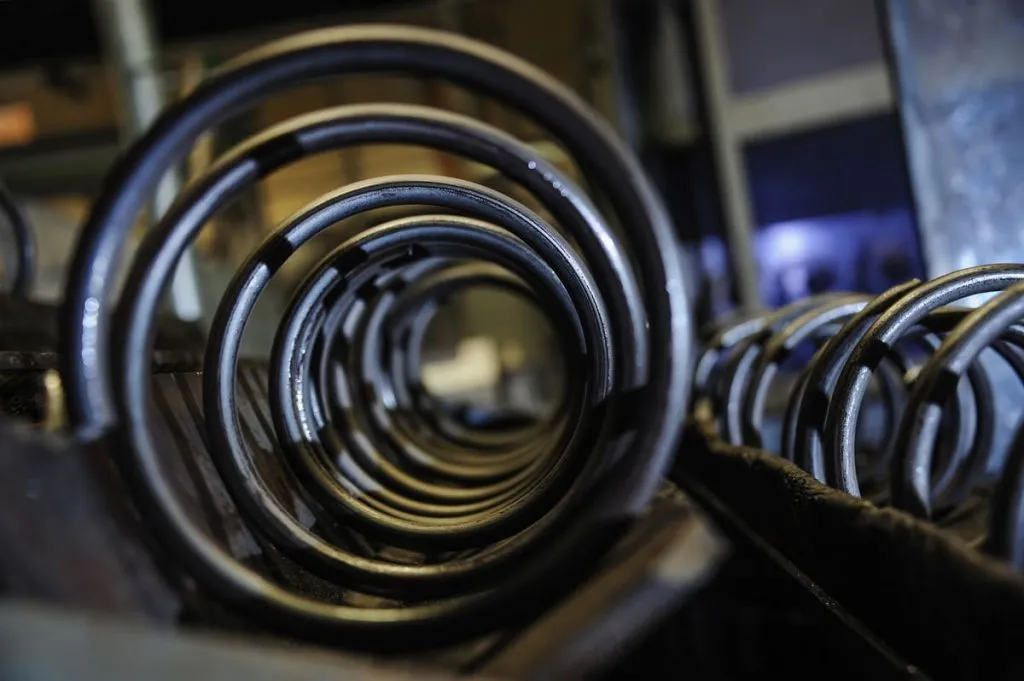
In the fascinating world of physics, springs play a crucial role in various mechanical systems. Understanding the science behind springs and their workings can unravel the secrets of their exceptional properties.
What are springs?
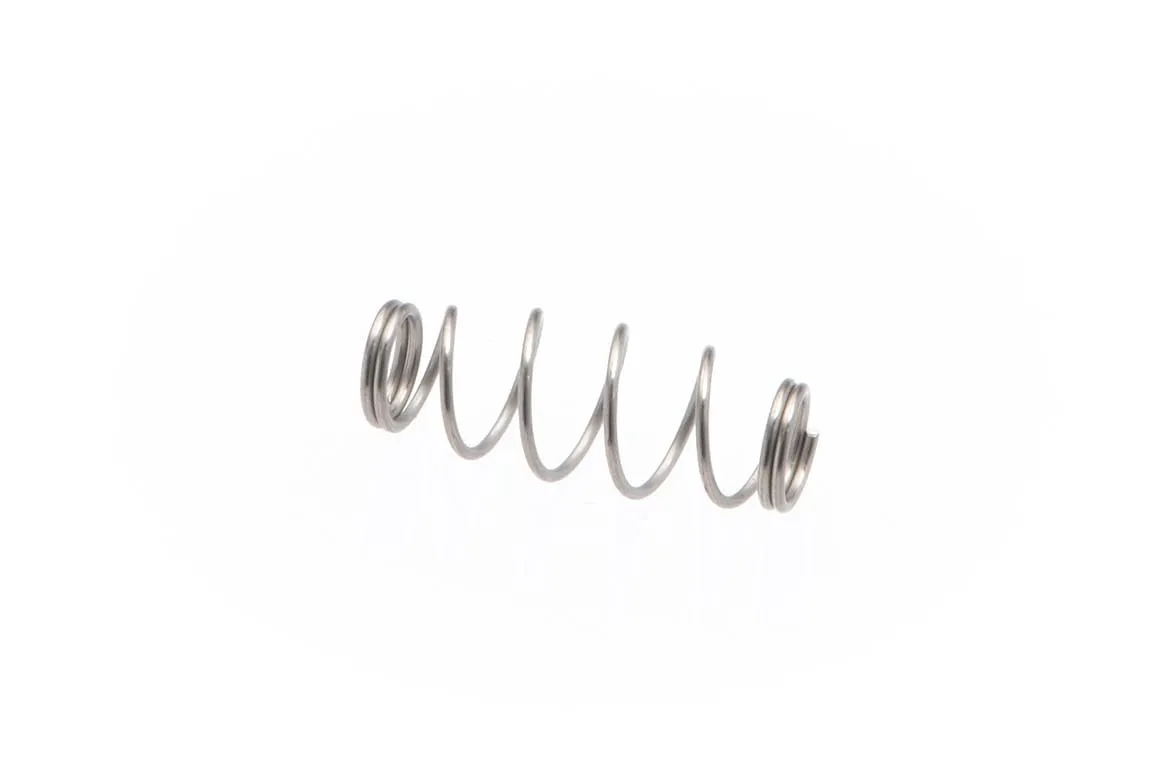
Springs are a mechanical device used to store and release energy. The energy that springs absorb is stored and released when the spring returns to its original shape. Springs can be made from a variety of materials such as chrome silicon steel, nickel alloys or titanium and more. There are many different types of springs, such as:
- Coil springs
- Leaf springs
- Torsion springs
- Compression springs
- Extension springs
Springs play an important role in the majority of industries, including automotive, construction, power generation and agriculture - to name a few. They are everywhere. Their ability to absorb, store and release energy is an unparalleled piece of engineering history.
Who invented springs?
Historical records indicate that ancient settlements had primitive forms of springs, and the earliest record of springs being used was by Greek mathematician and engineer Archimedes, who described the use of springs in some of his works.

Hooke’s Law in spring physics
Spring physics is often referred to as ‘Hooke’s Law’, after the 17th-century English scientist, Robert Hooke.
What is Hooke’s Law?
Hooke’s Law is a fundamental physics principle that explains how forces act on elastic objects, such as springs. Simply put, it states that the force applied to stretch or compress a spring is directly proportional to how much the spring changes shape.
Spring force, displacement, and the spring constant
Hooke’s Law can be written as a formula: F = -kx, where:
- F is the spring force – the force exerted by the spring when it is compressed or stretched. This force acts in the opposite direction of the displacement, working to return the spring to its original shape.
- k is the spring constant – the spring stiffness coefficient. A higher value means a stiffer spring that requires more force.
- x is the displacement – the distance the spring is stretched or compressed from its resting position.
This relationship holds true as long as the spring isn’t stretched beyond its elastic limit, meaning it returns to its original shape when the force is removed.
Hooke’s Law is essential for predicting how springs and other elastic materials behave, which helps engineers design reliable systems and structures.
Exceptions to Hooke’s Law
Whilst Hooke’s Law is great for approximation for the majority of elastic materials and situations, there are limitations.
- Non-linear Materials
- Plastic Deformation
- Creep
- Fatigue
- Anisotropic
Although there are exceptions to Hooke’s Law, it is a useful piece of theory which is still applied to design and engineering today. There are situations as to where more complex material behaviour, more advanced models and theories can be applied, such as non-linear elasticity or viscoelasticity for more accurate results, depending on your use of material.
Factors affecting spring physics
Spring performance is influenced by several physical and design-related factors. Understanding these variables is essential for designing springs that meet specific mechanical and operational requirements. Key factors such as stiffness, load capacity, and resilience shape how a spring behaves under load – all central to spring physics and critical across many industrial applications.
Material selection
Choosing the right material will impact the performance with different spring materials varying the levels of stiffness, strength and elasticity.
There are common spring materials used, such as:
- Steel alloys
- Bronze
- Titanium
As an example, a material with a higher tensile strength will increase the load capacity of the spring.
Wire diameter
The diameter of wire used to make a spring will affect both stiffness and load-bearing capacity. Thicker wire usually produces a stiffer spring and can withstand heavier loads, and can also increase the spring's resilience to fatigue, although thicker wires can reduce the number of coils accommodated, which affects energy stored.
Coil pitch
Coil pitch is the distance from each coil in the spring and influences the spring's flexibility and compression characteristics.
Spring applications in engineering and everyday life
Springs are found in our everyday life; they’re actually one of the most used energy sources in the world. Springs have unique properties and capabilities which no other component can reproduce.
You’ll find springs used in everyday life applications such as:
- Vehicle suspension systems
- Door & window opening systems
- Mechanical watches
- Construction equipment
- Medical devices
- Electronics
- Escalators & Elevators
- Clutches and brakes
- Aerospace and aviation
You may not have realised that springs are so involved in our day-to-day lives. The versatility and reliability of a spring makes them a pivotal factor for engineering.
Design and manufacturing of Springs
Springs are used in many applications which all require differing needs. Custom designing springs to specific requirements delivers multiple efficiencies across energy, cost, performance and sustainable practices.
Manufacturing processes
Meticulous manufacturing processes consider load requirements, space limitations and design characteristics and are an essential first stage review before manufacture.
Coiling
Coiling is a process that involves winding a wire around a mandrel or using forming tools to give it the desired shape and configuration. This process can be performed manually using hand tools or with machinery. Our teams of engineering experts synergise, handcrafting springs and the use of the most advanced hot and cold coiling CNC spring machines in the industry, offering a unique combination of years of hands-on experience and state-of-the-art technology to deliver quality springs.
Heat processing
Heat treatment improves the mechanical properties and performance of the spring. Different spring types and materials will require their own tailored heat processing parameters to obtain the desired properties.
Surface treatment
Surface treatment is applied to the surface of springs to modify their properties, enhance performance, and improve their resistance to wear, corrosion, and other environmental factors. This is a vital step in the spring creation as it solidifies the longevity and reliability of a spring.
Maintenance and care of springs
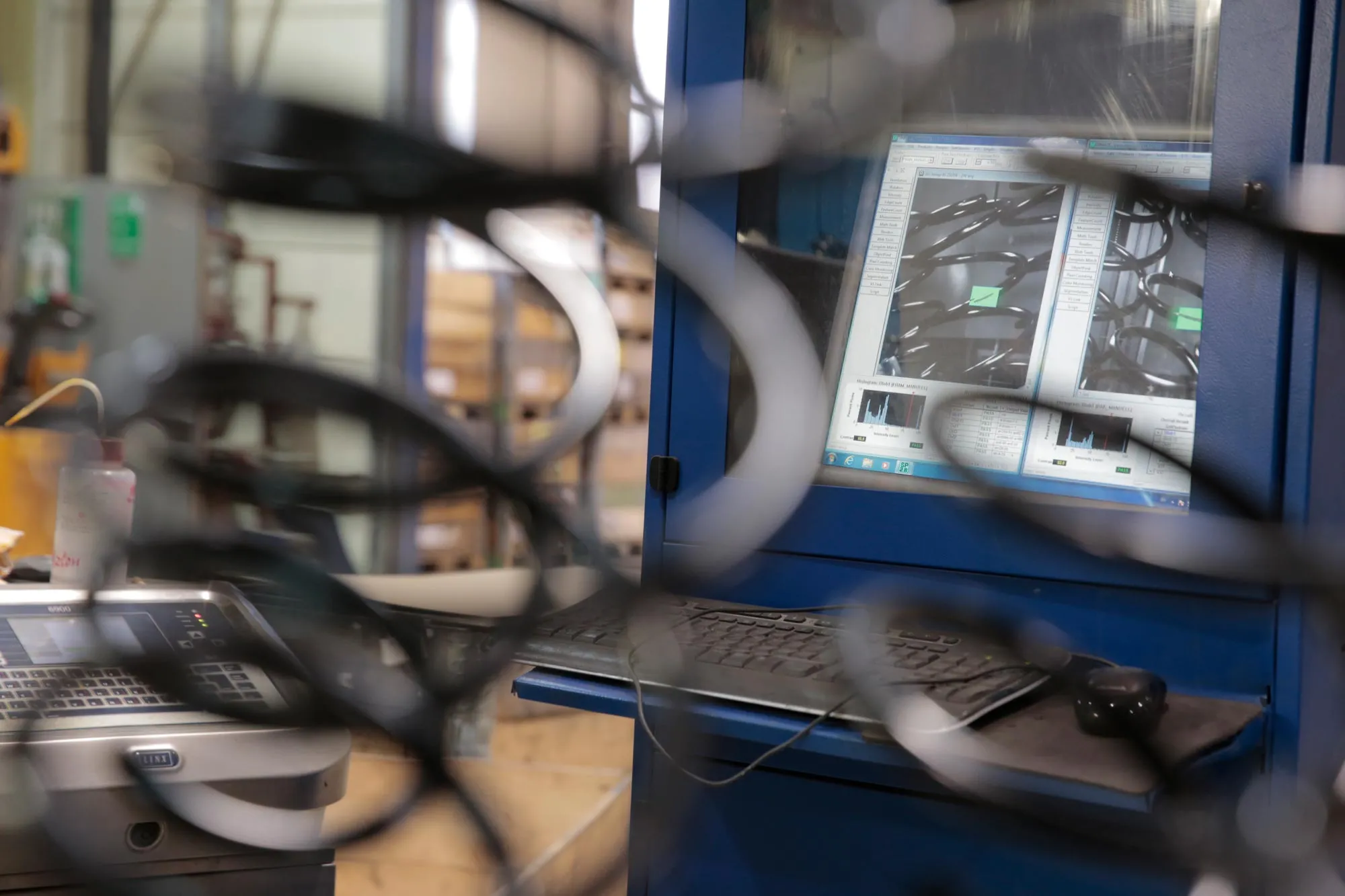
Regular inspections looking for deformations, wear, or damage extend the lifespan of a spring. Proper maintenance of a spring will result in fewer maintenance issues and operational efficiencies.
Common issues with springs
Springs can suffer from corrosion, loss of tension or set misalignment and spring fatigue if not maintained.
By addressing these common spring problems and by taking preventive measures with maintenance, e.g., lubrication, load management, and regular inspections, you’re able to avoid potential problems occurring and performance issues.
Future trends in spring physics
Lesjöfors drives advancements in spring materials, design, and manufacturing technologies. With dedicated R&D teams, in-house material scientists, and a global knowledge base, we’re continually developing smarter, more efficient solutions.
By deepening our understanding of spring physics, we’re not only optimising performance but also pushing the boundaries of what springs can do in demanding applications, today and in the future.
Discover how our expertise in spring physics can help solve your toughest engineering challenges. Contact us today to discuss your project needs.