
5 steps on how to measure a torsion spring
Veröffentlicht: 2024 08 23
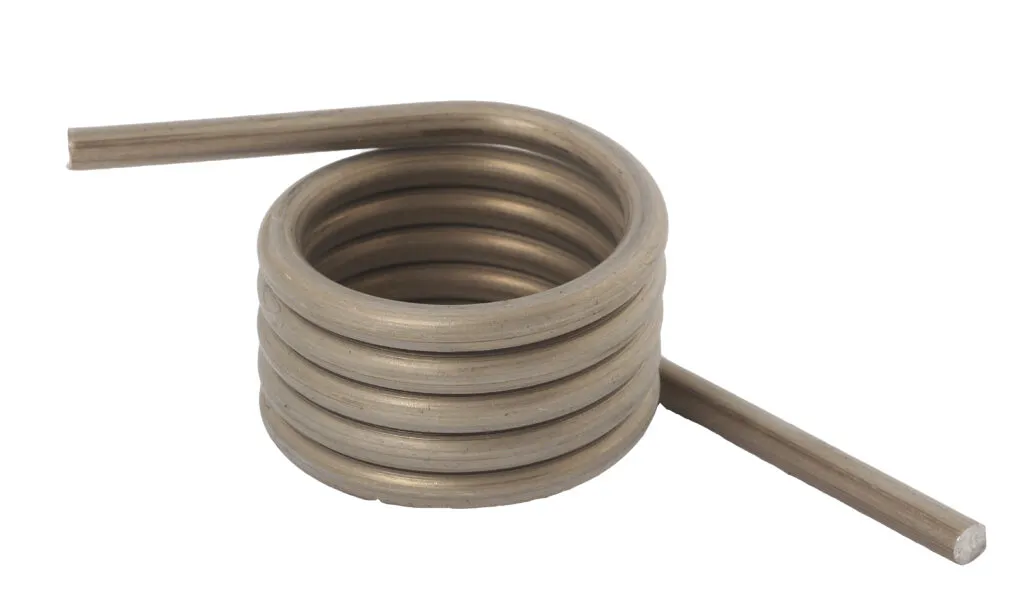
Torsion springs are staple components in many mechanical devices. This post will support you to measure a torsion spring, so that you can use this information to calculate other important spring factors such as torque, spring constant (k) and load capacity.
At Lesjöfors, we are world leaders in torsion spring manufacturing. We use advanced hot and cold coiling facilities to produce high-quality torsion springs for a range of industries across the globe.
Step-by-step guide to measuring torsion springs
Step 1: Determine the wind direction
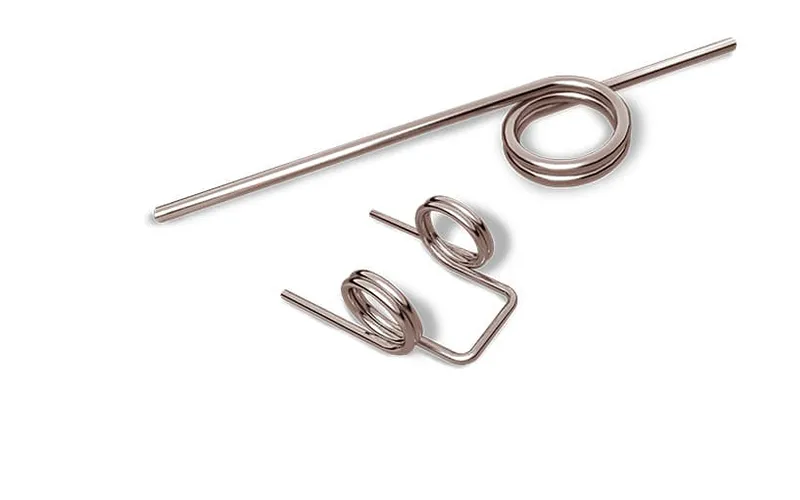
Firstly, determine the wind direction. Hold the spring in front of you with the legs pointing towards you. If the coils run clockwise from the centre, it is a right-hand wound spring; if they run counterclockwise, it is a left-hand wound spring. By understanding the wind direction, you can ensure the spring is compatible with the mechanical system.
Step 2: Measure the wire diameter
Next, use a calliper to measure the wire’s thickness. Measure several points along its length to determine the wire size and ensure consistency. Record the average diameter, as variations can impact the spring's load-bearing capacity and functionality. Understanding the exact wire diameter allows for precise spring design and application calculations.
Step 3: Determine the inside diameter (ID)
Use a calliper to measure the inside diameter of the spring. The ID is the distance between one side of the coil and the other (inside the coil). You may want to position the calliper at 90° while measuring to prevent misreadings. Knowing the ID of a torsion spring will help you match the spring to the correct shaft or housing.
Step 4: Measure the outside diameter (OD)
Next, use a calliper to measure the distance across the widest part of the spring, from the outer edge of one coil to the outer edge of the opposite coil. This measurement will help you ensure that the spring fits within its designated space.
Step 5: Calculate the length of the Spring
Count the number of coils and multiply this by the wire diameter you previously measured. This calculation will give you the length of the coiled section. Then, measure the lengths of the spring's legs, or straight sections, and add these to the coiled length. These combined coil measurements will give you the total length of the torsion spring.
Importance of accurate measurement
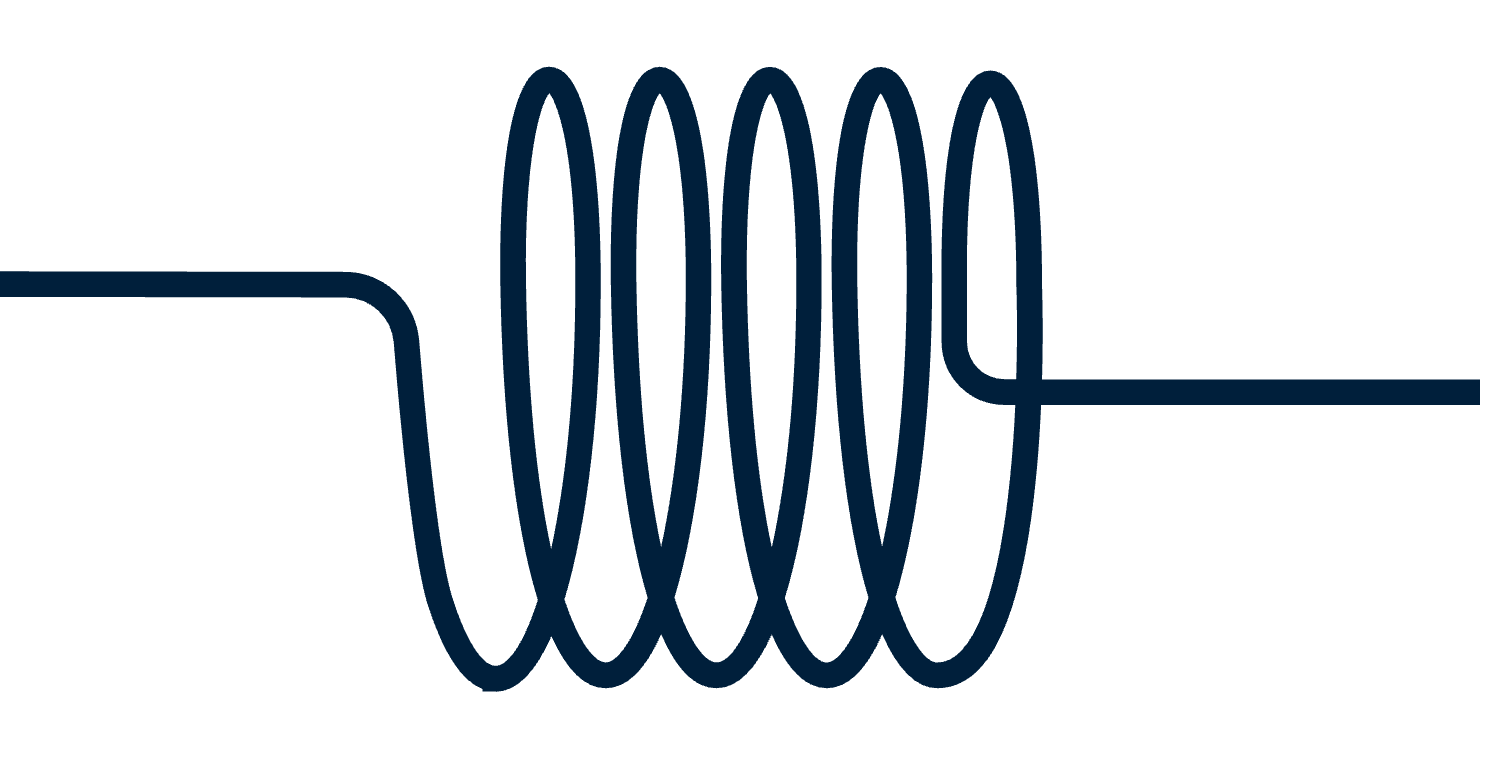
Accurate measurements of torsion springs are needed for correct calculations of torque, spring constant (k), load capacity, deflection, and stress levels. These calculations are important for spring design and development. Inaccurate measurements may lead to poorly fitted springs that have reduced efficiency and are susceptible to failure. Using precise measurements supports your torsion spring's maintenance of reliability and safety in applications.
Tools needed for measuring torsion springs
Here is a list of recommended essential and optional tools for measuring torsion springs.
Essential tools
- High-quality calliper and/or micrometre - to measure wire diameter, inner diameter, outer diameter and the length of a spring.
Optional tools
- Protractor - this can be used to determine the angle of deflection.
- Torque Meter - this can be used to measure the torque applied and the spring's response to this torque.
- Force Gauge - this can be used to measure the force exerted by the spring at various angles. Force gauges can also be used to measure push and pull forces in compression and tension springs.
Tips for accurate measurement
Here is a list of best practices for accurate measurement of torsion springs.
- Ensure the spring is not under load whilst measuring.
- Use high-quality callipers and micrometres to measure springs.
- Record measurements at multiple points along the spring to account for any irregularities.
- Verify the angle of deflection using a protractor or similar device.
- After measuring, check that the calculations align with the design specification.
These practices will help you accurately measure torsion springs and understand whether they align with their intended applications.
Measurement issues
Measurement issues with torsion springs may arise due to several factors, including poor tools, inconsistent measuring techniques, and environmental factors.
Identifying common problems
- Variations in wire diameter/coil dimensions - can lead to inaccurate torque and deflection calculations.
- Inconsistent measurement techniques - can lead to varied measurements and discrepancies in readings.
- Improper Tools - worn or miscalibrated callipers can cause errors.
- Environmental factors - such as temperature fluctuations, can alter material properties and impact measurements of spring sizes.

Solutions and recommendations
To prevent the above common problems, we recommend regular tool calibration, ensuring that staff are trained to use uniform techniques, and measuring springs in a controlled environment to minimise temperature-induced fluctuations. We also suggest using high-quality measurement tools and thorough quality-control processes to identify and correct measurement inconsistencies.
Final advice
When purchasing springs, prioritise understanding the specific load and stress requirements to ensure optimal performance and safety. With the support of our expert technical team, you can take accurate measurements and select spring materials that enhance performance, safety, and life span. We recommend testing your spring prototypes and samples before production to ensure that your spring meets the required specifications for its application.
Consulting experts for custom Needs
At Lesjöfors, we have innovated a range of springs for product solutions all around the world. We deliver the greatest expertise in compression, torsion and tension spring manufacturing and can tailor solutions to your custom needs. We combine state-of-the-art machinery with innovative design and development solutions, plus engineering expertise so that you can optimise your spring's performance and success. Contact our expert team to discover high-performance spring solutions for your product.