
Spacecraft landing gear
Discover how John Evans’ Sons, part of Lesjöfors' network of specialist manufacturers, engineered constant force springs for the Mars 2020 Perseverance Rover.
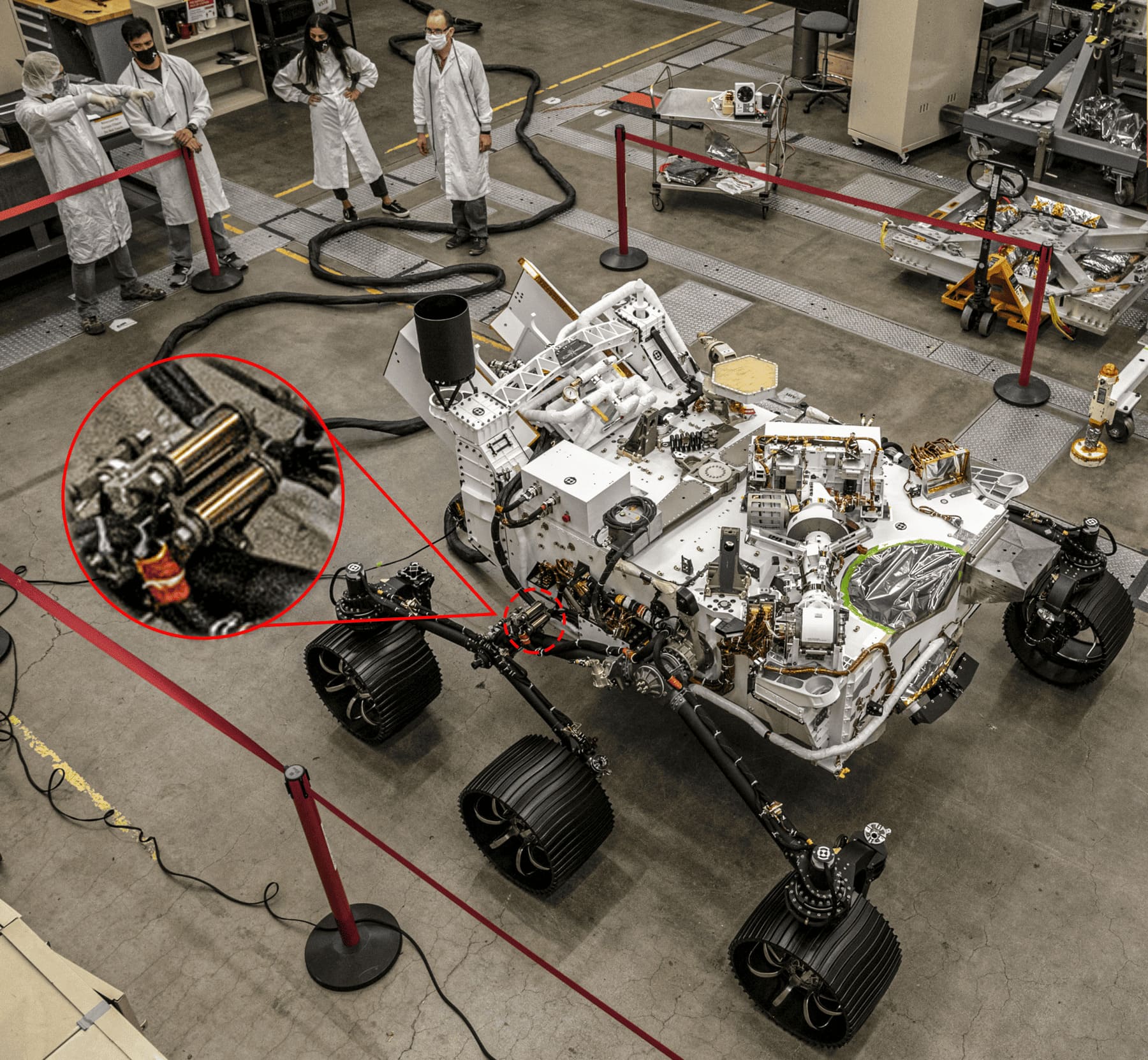
Smooth deployment of spacecraft landing gear
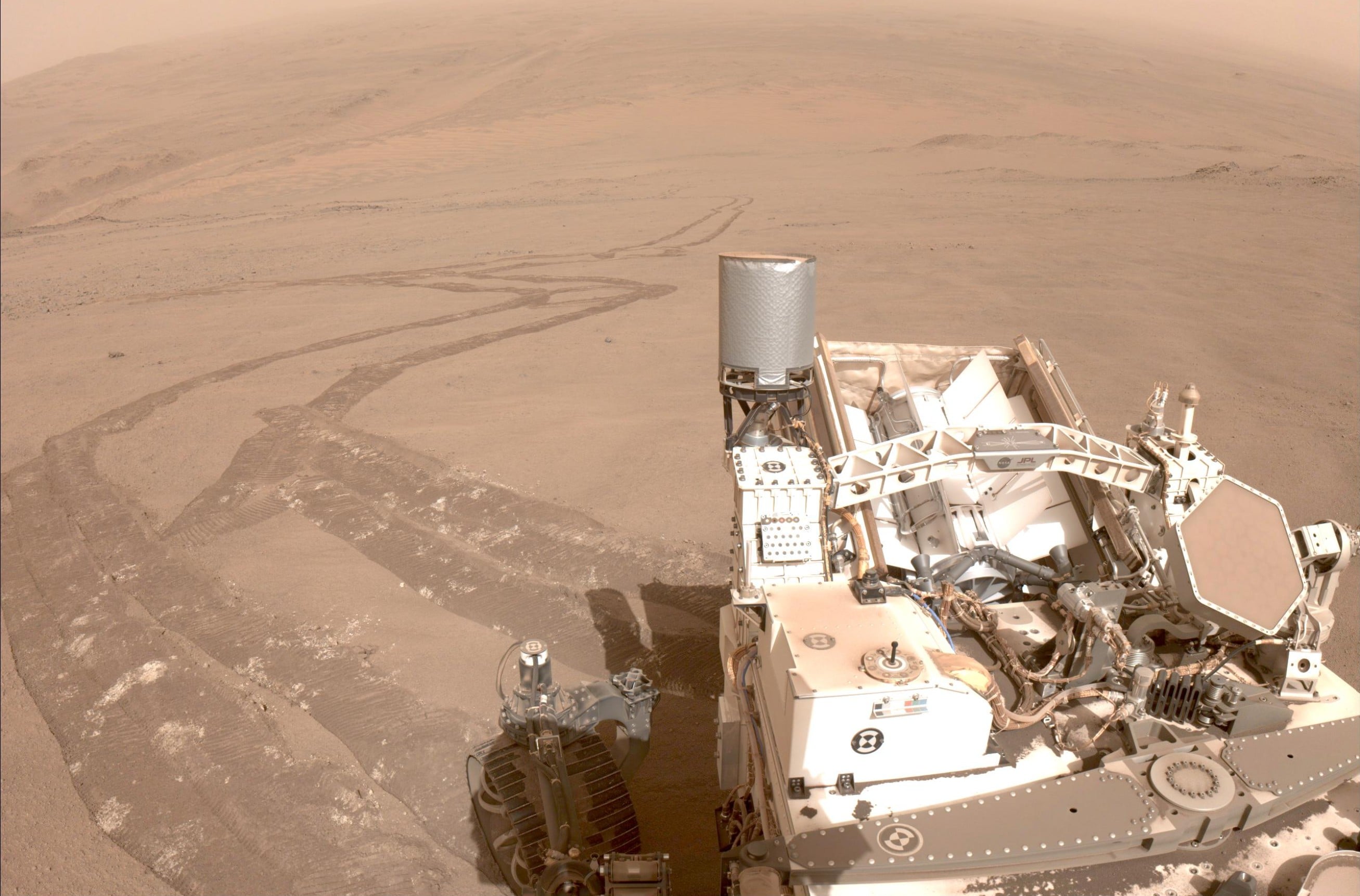
NASA's Jet Propulsion Laboratory (JPL), a division of the California Institute of Technology, approached the Lesjöfors network for precision spring components for the Mars 2020 Perseverance Rover.
The springs needed to be capable of surviving launch, deep space transit, and the surface of another planet. John Evans' Sons, a Lesjöfors specialist sister company, supplied constant force springs for the suspension system of NASA's Curiosity Rover in 2012. Having performed exactly as designed on the Martian surface, when JPL began planning Mars 2020, they returned to a supply network they knew they could trust.
How Lesjöfors’ network delivers extraordinary engineering for aerospace applications
Lesjöfors is a global network of specialist spring and pressing manufacturers, each with deep expertise in their product area, which is particularly beneficial to clients with complex requirements.
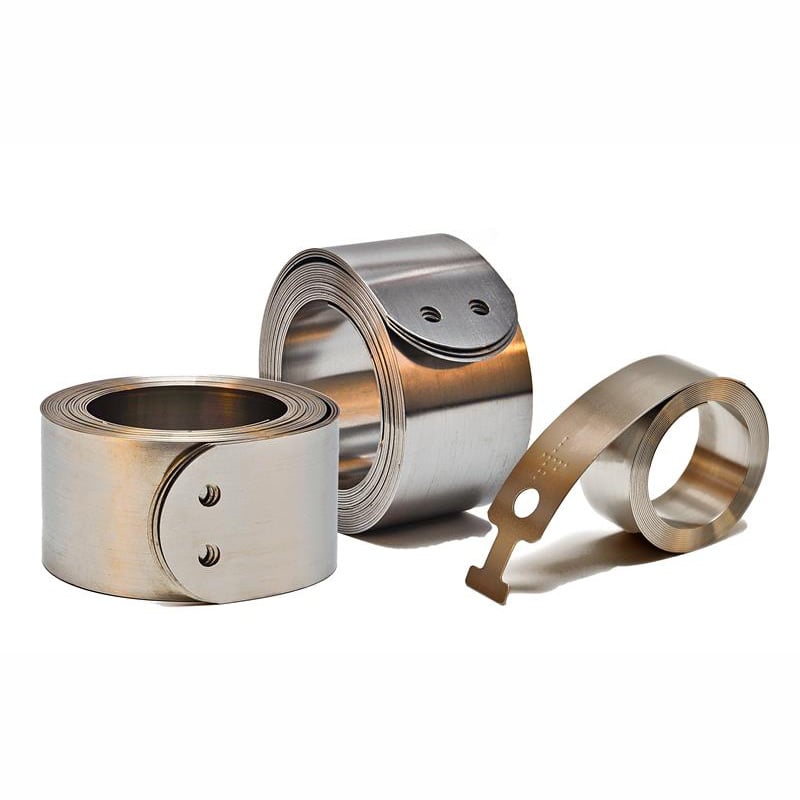
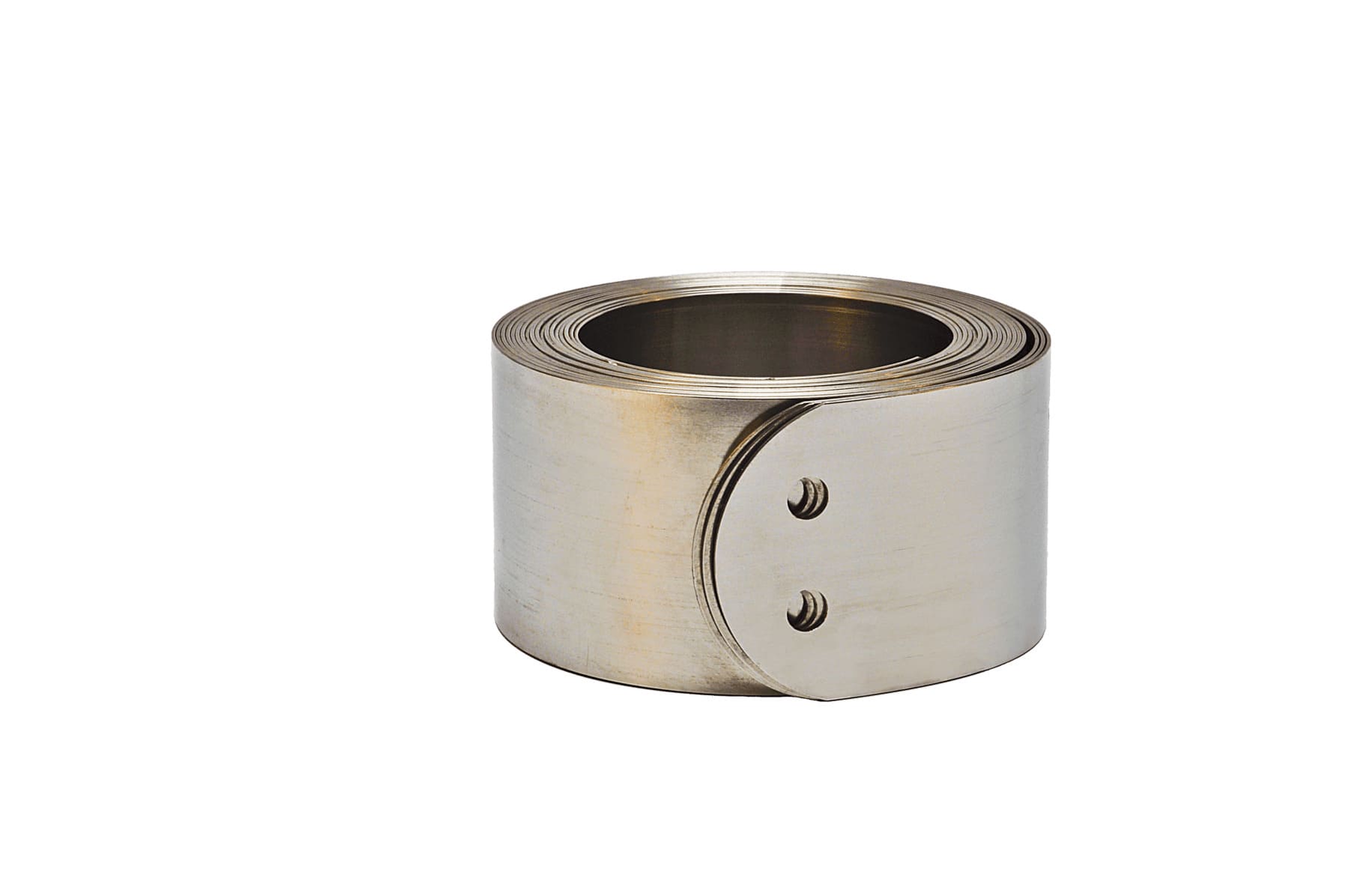
For the Perseverance mission, the specialist from Lesjöfors’ network was John Evans' Sons, our Pennsylvania-based flat spring manufacturer with one of the most advanced constant force spring departments in the world.
The project became a 22-month engineering partnership – a collaboration that placed our components on the surface of Mars.
The technical challenges of spacecraft landing gear
Designing springs for NASA’s Mars 2020 Perseverance Rover is categorically different from even the most demanding terrestrial aerospace application. The components must perform flawlessly across an operational lifecycle that begins the moment the rocket leaves the launchpad and may continue for decades on the Martian surface.
Thermal: extreme temperature swing
The Martian surface temperature ranges from −220°F at the poles to +70°F near the equator. Suspension components must retain dimensional stability and consistent mechanical performance across nearly 265°F of differential, with no opportunity for re-lubrication or adjustment. Material selection and heat-treatment specifications are critical from the outset.
Vibration: launch load and shock absorption
The Atlas V launch subjects the rover to sustained vibration loads across a broad frequency spectrum. Springs must absorb and transmit these forces without fatigue failure or set – a requirement that demands both precise geometry and a thorough understanding of how the chosen material behaves under cyclic stress.
Vacuum: near-vacuum transit environment
During the seven-month cruise phase to Mars, the rover operates in a deep space vacuum. Material outgassing, lubricant migration, and coefficient of thermal expansion mismatches are all active engineering concerns. Every material in the assembly must be assessed for vacuum compatibility.
Terrain: unpredictable landing site conditions
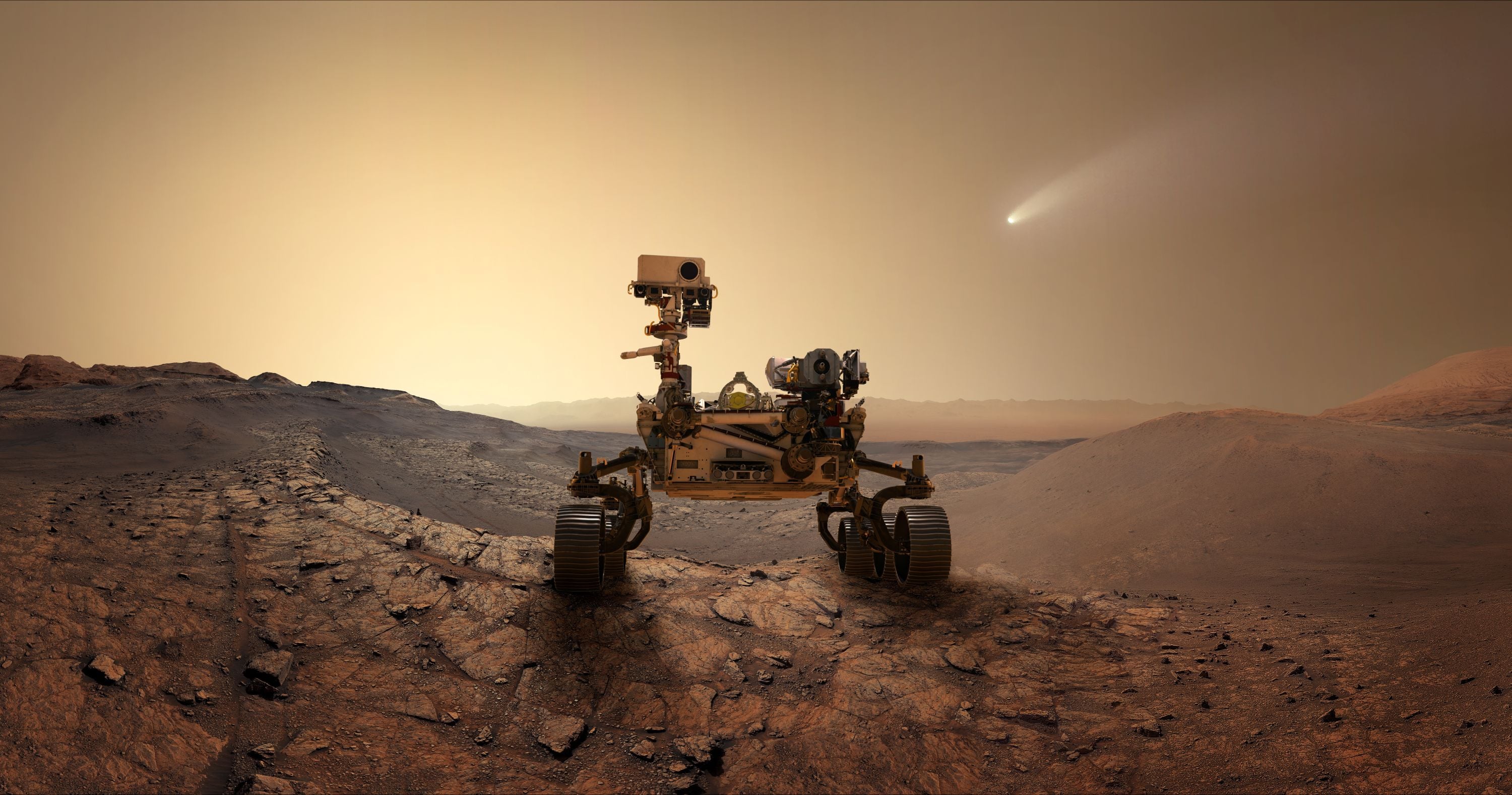
Jezero Crater on Mars presents fractured rock fields, fine regolith, and significant elevation changes. Perseverance's rocker-bogie suspension must maintain consistent wheel-to-ground contact at all times, demanding a spring force profile that remains predictable and linear across the rover's full range of motion.
These constraints compound one another. A material suited to thermal performance may behave unpredictably in vacuum. A geometry optimized for launch survivability may introduce force non-linearity that disrupts terrain navigation. Solving all four at once, with no field adjustment possible, was the challenge the Lesjöfors network was brought in to address.
Material selection for extreme environments: a Lesjöfors specialty
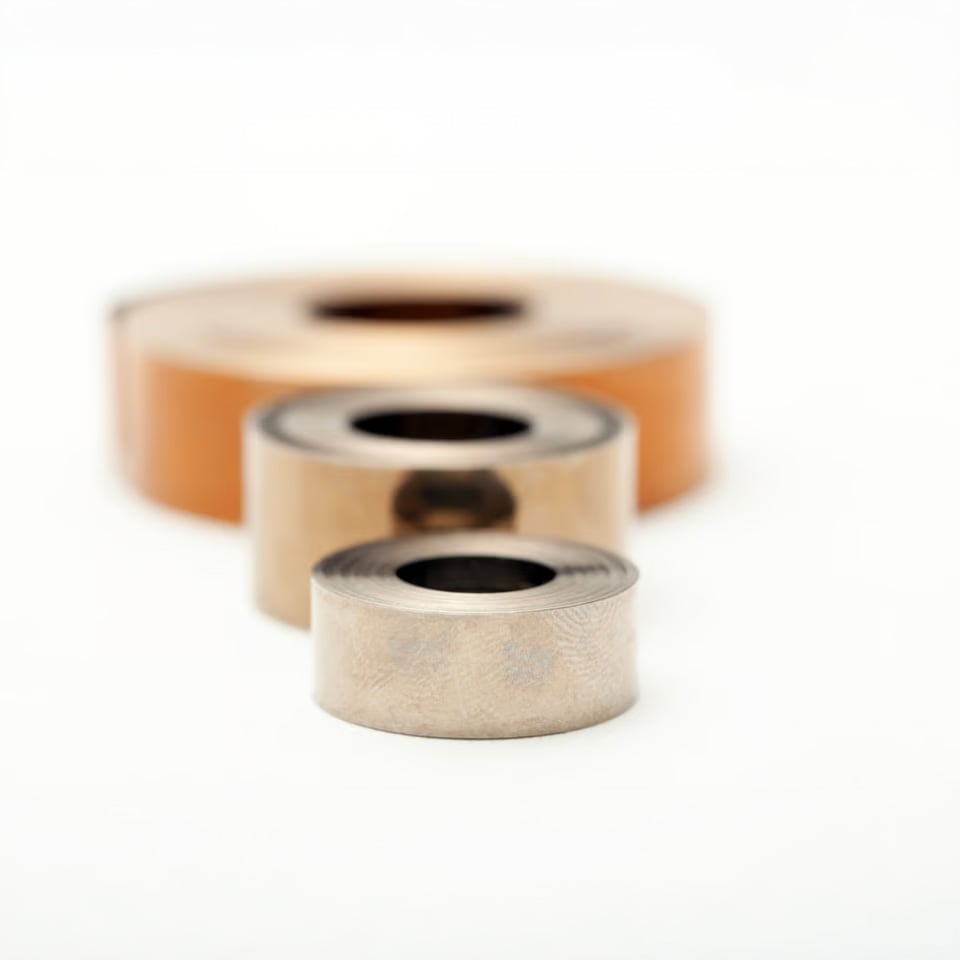
Before a single spring can be wound, the right material must be chosen. On a mission where components cannot be replaced, material selection is one of the most significant engineering decisions.
For constant force springs operating in the Martian atmosphere, the material must satisfy several competing requirements simultaneously:
- Sufficient yield strength and fatigue resistance to survive launch vibration and repeated deployment cycles
- Dimensional stability across a 265°F+ operating temperature range
- Vacuum compatibility, with no outgassing or lubricant migration that could contaminate sensitive instruments
- Consistent modulus of elasticity across the full operating temperature range, ensuring the force output remains predictable
High-grade stainless steel strip, precisely specified and sourced with full material traceability, met these requirements for Perseverance.
Engineering constant force springs for NASA's Mars 2020 Perseverance Rover
A constant force spring is a pre-stressed strip of flat spring material, precision-wound into a tight coil. Unlike a traditional helical compression or extension spring, which generates force proportional to deflection (governed by Hooke's Law), a constant force spring delivers a near-uniform load across its entire extension range – a fundamental requirement for a six-wheeled planetary rover.
Perseverance's rocker-bogie suspension, the same kinematic architecture validated on Curiosity, is designed to allow all six wheels to maintain ground contact simultaneously across obstacles up to the wheel's own diameter in size. The system operates entirely passively, with no actuators or active control. The force balance between wheel-ground contact pressure and rover mass is managed entirely through mechanical design.
Constant force springs support this system by providing the consistent, predictable mechanical behavior the rocker-bogie kinematic chain depends on.
The engineering journey: a 22-month partnership
Legacy: 175 years of precision engineering, one planet further
JPL chose the Lesjöfors network for this project because our engineers have the depth of knowledge to engage at the specification level, the manufacturing precision to hit tolerances, and the documentation discipline that these challenging programs require.
They committed to a nearly two-year co-development process - the kind of partnership that only works when both sides bring genuine technical fluency to the table.
The Mars Perseverance mission represents the furthest field deployment in our network's history. We’re sure it won’t be the last time our components operate somewhere extraordinary.
The same standard: every industry, every application
Lesjöfors has spent over 175 years engineering springs and pressings for applications where failure is not an option. The engineering rigor applied to the Perseverance springs reflects how we approach every application, across every industry.
Our material traceability ensured every strip of stainless steel used in Perseverance's suspension could be traced back through its production history. This same standard applies to springs destined for implantable medical devices and critical defense systems.
The process documentation that satisfied NASA's requirements mirrors what our customers in regulated industries rely on, and the testing program that put Perseverance's springs through their paces before launch is the same applied to components going into offshore drilling equipment and high-load automotive suspension.
Mars raised the stakes, but the disciplines this project demanded already existed at John Evan’s Sons as part of the Lesjöfors network.
Explore more case studies
 Read more
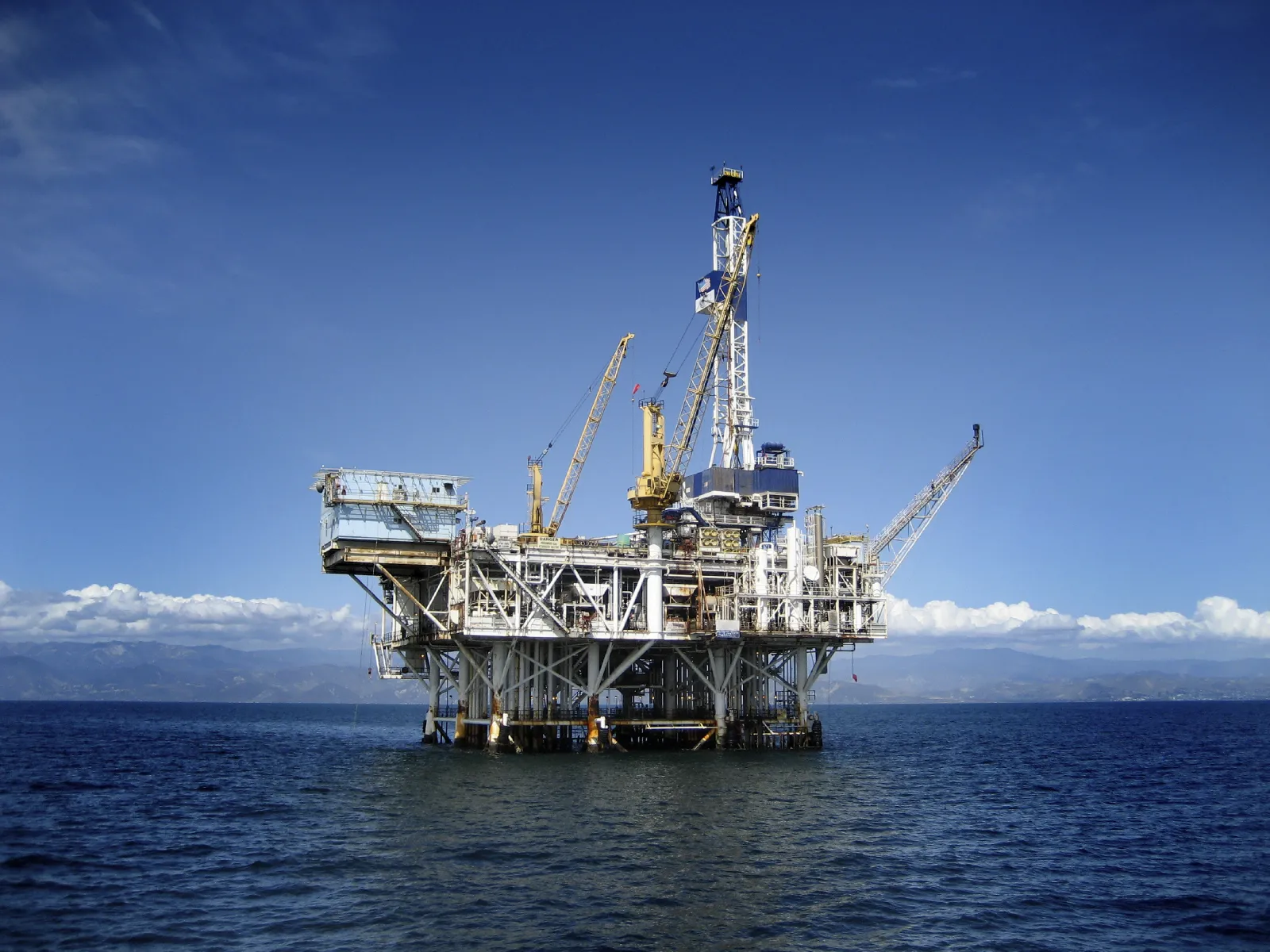
Springs for Norwegian oil rig
Lesjöfors engineered a series of hard wearing compression springs designed to reduce the pressure on drilling equipment (and subsequent breakage) at sea.
 Read more
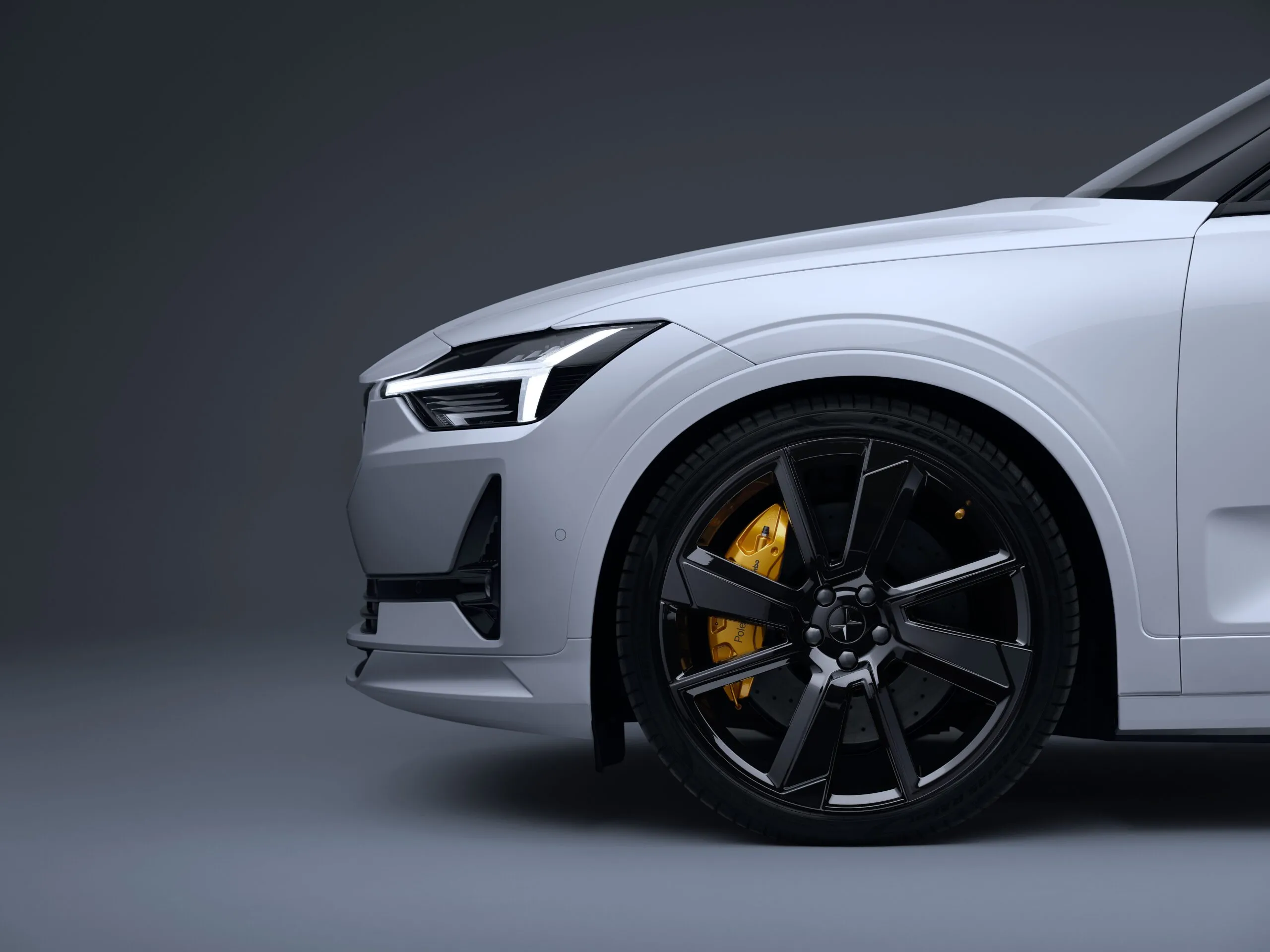
Innovating automotive
Lesjöfors worked with Polestar to design and develop the pioneering suspension springs on the limited edition performance Polestar 2 BST edition 270.
 Read more
Innovative disability ramp
Improving accessibility starts with smart design. Discover how Lesjöfors gas springs enable lighter, smoother, and more user-friendly disability ramps.
Find out more about the industries we work with






Resources and support
- Learn more about Lesjöfors
About Lesjöfors
- Contact our team of experts
Contact and support
- Explore FAQs and advice
FAQs & technical advice