
Agriculture springs: The backbone of modern farming equipment
Publiceret: 2026 04 22
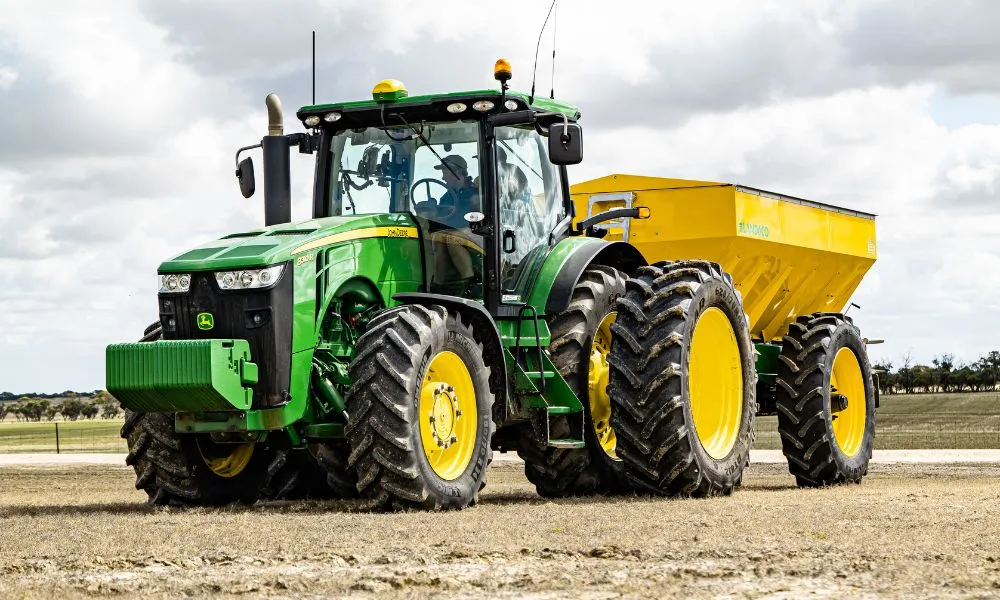
Springs are used widely in agricultural machinery, making them the backbone of modern farming. They are designed to withstand the heavy loads and constant vibrations experienced by agricultural equipment. Below, you will learn about the role of agriculture springs and the types of springs used in farming equipment and machinery.
The role of agriculture springs in farming equipment
Springs play many roles in farm machinery. They absorb shock and vibration, provide stability and balance, enhance machinery performance, and improve traction. Let’s examine how they are used and their advantages in real-life farming situations.
How are springs used in agriculture?
Absorbing shock and vibration
Agricultural machines and farming equipment must navigate uneven terrain, sloping fields, and natural obstacles, and may experience large impacts and vibrations. Agriculture springs can absorb these shocks and dampen vibrations, protecting the machinery from damage and prolonging its lifespan.
Stability and balance
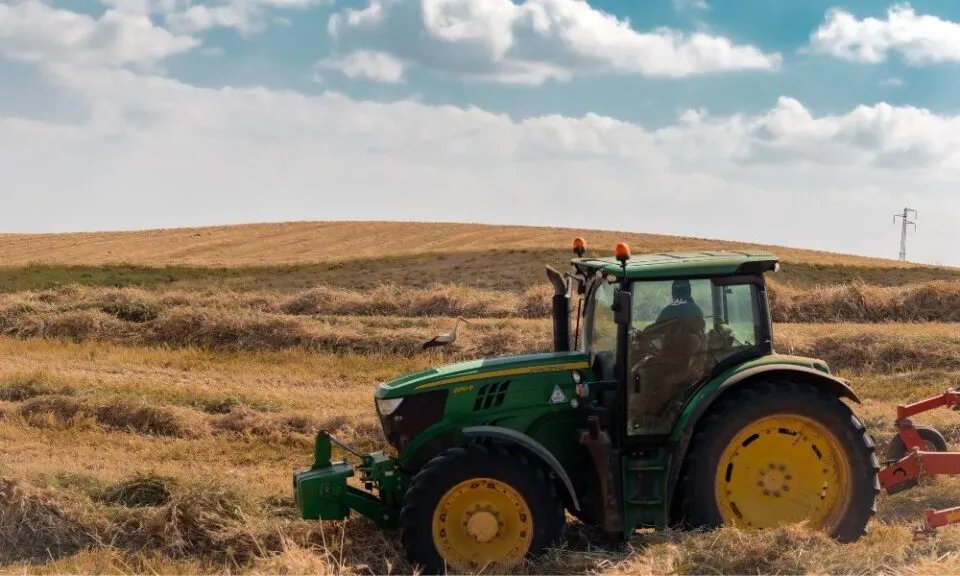
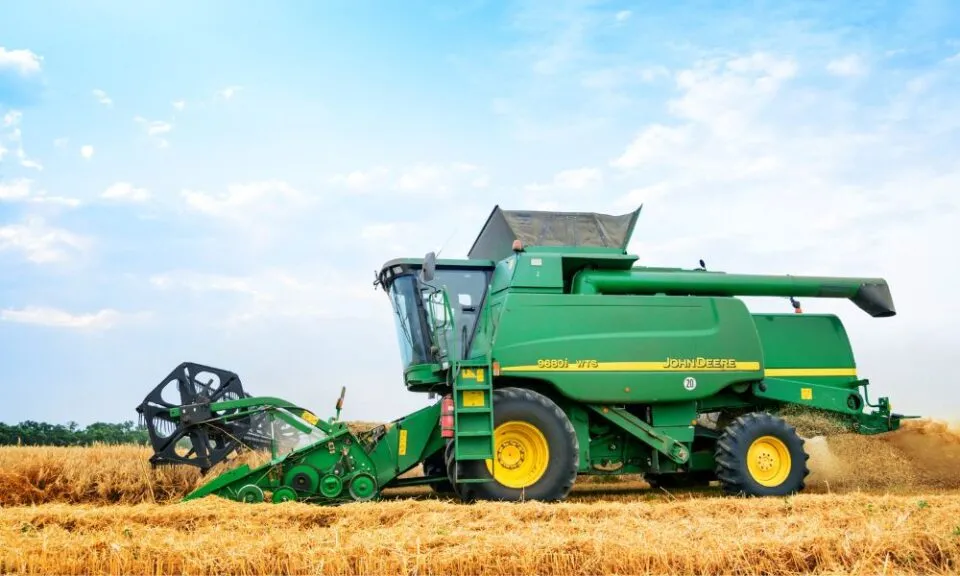
Large agricultural machinery, such as tractors and combines, can be top-heavy and prone to tipping over when operating on sloping ground. Agriculture springs help distribute weight evenly across the machine, improving stability and preventing accidents.
Enhancing machine performance
Springs provide a cushioning effect, minimising the impact on crops when harvesting or seed planting. This prevents damage to the crop and ensures a higher yield quality. This is especially important when using shallow ploughing (15cm) rather than deeper ploughing (25cm).
Improves traction
Springs improve agricultural machinery's traction, allowing them to maintain better contact with the ground. This improves farming efficiency in challenging soil conditions.
Why are springs used in farming equipment?
Springs are chosen for agricultural machinery due to their strong and resilient nature. This allows them to withstand the heavy loads and constant use that farming equipment endures. The average tractor weighs around seven tonnes, whilst the average combined harvest is around fifteen tonnes. Therefore, agricultural equipment springs need to withstand these weights and provide support in challenging conditions.
Types of springs used in farming equipment
Agricultural machinery and farming equipment include compression, extension (tension), torsion, leaf, and air springs. Let’s look at some real-life applications below.
Compression springs
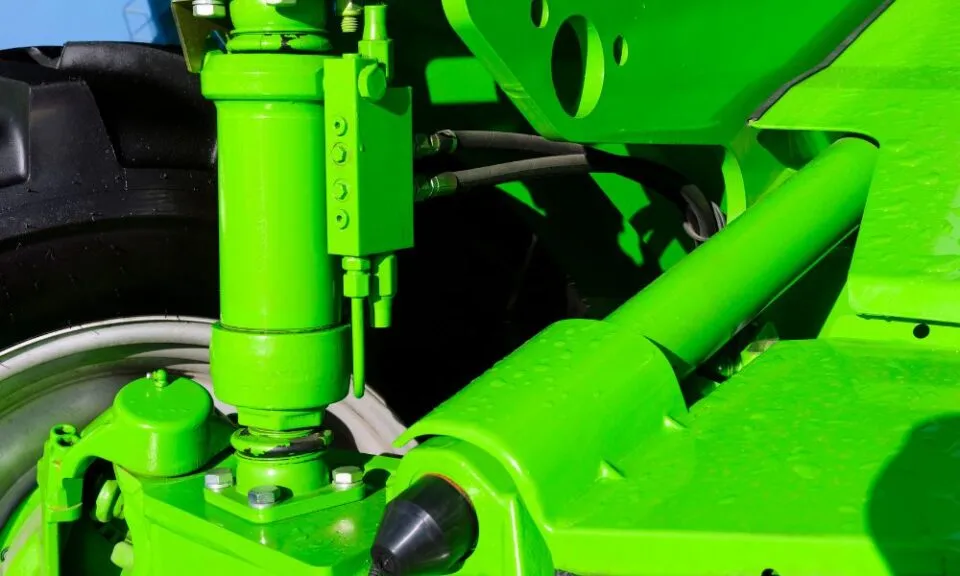
Compression springs are designed to compress and store energy when a force is applied and release that energy when the force is removed. This makes compression springs useful in applications where a consistent and controlled force is needed, such as in tractors' hydraulic systems. They are also used in the adjustment mechanisms of various components attached to tractors, such as ploughs and harrows.
Extension springs
Extension springs are designed to stretch and store energy when a force is applied and then release that energy when the force is removed. These springs are often found in the lifting mechanisms of tractors and farming equipment, providing the necessary tension to lift and hold heavy loads. They are also used in control linkages to return levers/pedals to a neutral position, braking systems, and pull seeder arms back into position.
Torsion springs
Torsion springs are designed to twist or rotate when a force is applied, storing energy in the process. Torsion springs are often found in the steering systems of tractors, providing the necessary torque to turn the wheels. They are also used on lids and doors of fertiliser hoppers, in seeding row markers, and to control the movement of flaps and covers in balers and combines.
Innovations in agricultural equipment springs
In recent years, several innovations in spring technology have improved the performance of farming equipment and agricultural machinery. One example is the development of adjustable suspension systems that incorporate springs. These systems allow farmers to customise the suspension settings of their machinery, providing a smoother ride and reducing the impact of uneven terrain. This can be seen in the Fendt 1100 MT Vario tractor, which has a ‘Smart Ride Plus’ load levelling feature, integrating the front suspension springs with a hydraulic system to adjust the tractor height and keep the chassis level.
Maintenance and troubleshooting in agricultural settings
Regular inspections and lubrication are essential for the maintenance of agriculture springs. Farmers should regularly check for signs of wear or damage, such as rust or deformation, and replace worn-out springs. Applying a suitable lubricant to the springs can also help reduce friction and extend their lifespan.
Precision agriculture springs from Lesjöfors
Farming operations such as ploughing, tilling, seeding, and harvesting require agricultural machinery that can withstand impacts and vibrations, maintain stability and balance, prevent crop damage, and maintain traction.
At Lesjöfors, we design, engineer, and manufacture springs for world-class farming equipment and agricultural machinery, delivering precision-engineered springs with outstanding durability, longevity and quality. Contact our expert team to find out more.
Order custom spring solutions
Do you need guidance to select the best material for your custom spring?
At Lesjöfors, we work with a large range of materials and hold the largest global stocks of chrome silicon and chrome vanadium anywhere in the world. We can also optimise your spring performance with top-quality materials such as steel, copper and titanium alloys and super alloys, such as Inconel, Hastelloy and Nimonic. Contact us to discuss.