
Öhlins motorcycle suspension
Engineering the next generation of MotoGP
Discover how Lesjöfors applied extensive industry experience, advanced materials, and a dedicated R&D program to achieve an engineering first in motorcycle suspension for Öhlins.
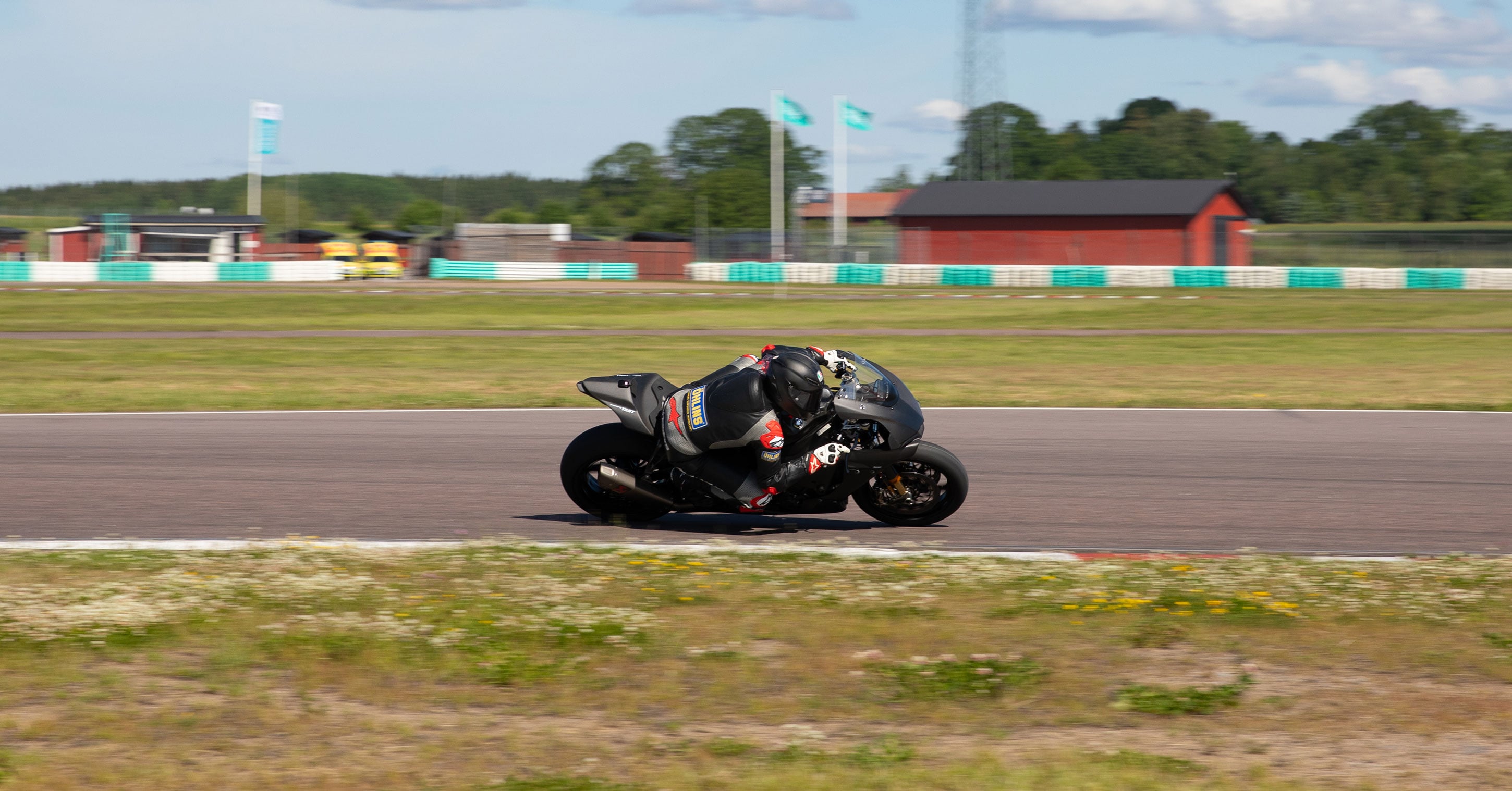
Project overview: Enhancing Öhlins motorcycle suspension
Öhlins is a global leader in suspension for motorcycles, mountain bikes, and automotive applications across aftermarket, OEM, and elite motorsport. With more than 400 world titles, their systems set the benchmark at the highest levels of racing.
When Öhlins engaged Lesjöfors, the objective was clear – to further elevate rider control and on-track performance in MotoGP through advanced spring engineering.
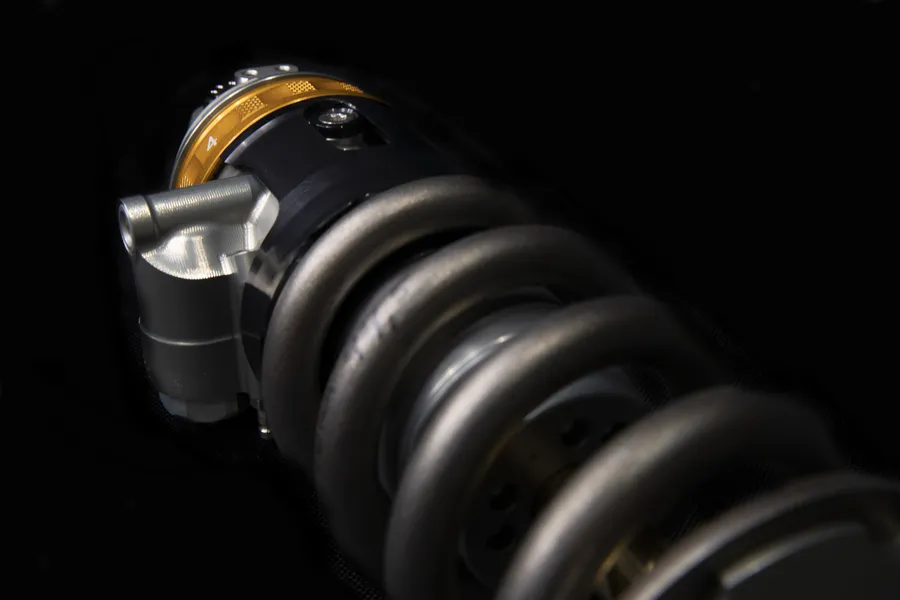
Design criteria for the motorcycle suspension system
What was the brief?
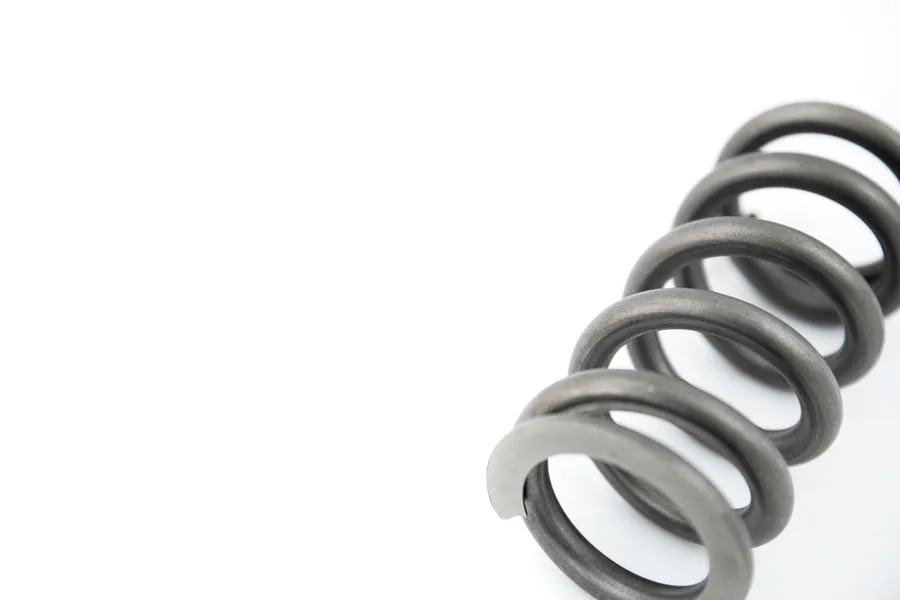
Öhlins required rear motorcycle suspension springs that delivered a consistent, linear spring rate throughout the full stroke. At the same time, the components needed to be produced using the lightest possible material to unlock performance gains for their MotoGP teams.
What makes the project special?
This project advanced MotoGP component manufacturing by combining decades of expertise with modern engineering processes, blending skilled craftsmanship with advanced analysis and testing. This approach enabled Lesjöfors to fully control material behavior while meeting both the performance and aesthetic requirements of the finished motorcycle suspension spring.
What did Lesjöfors do?
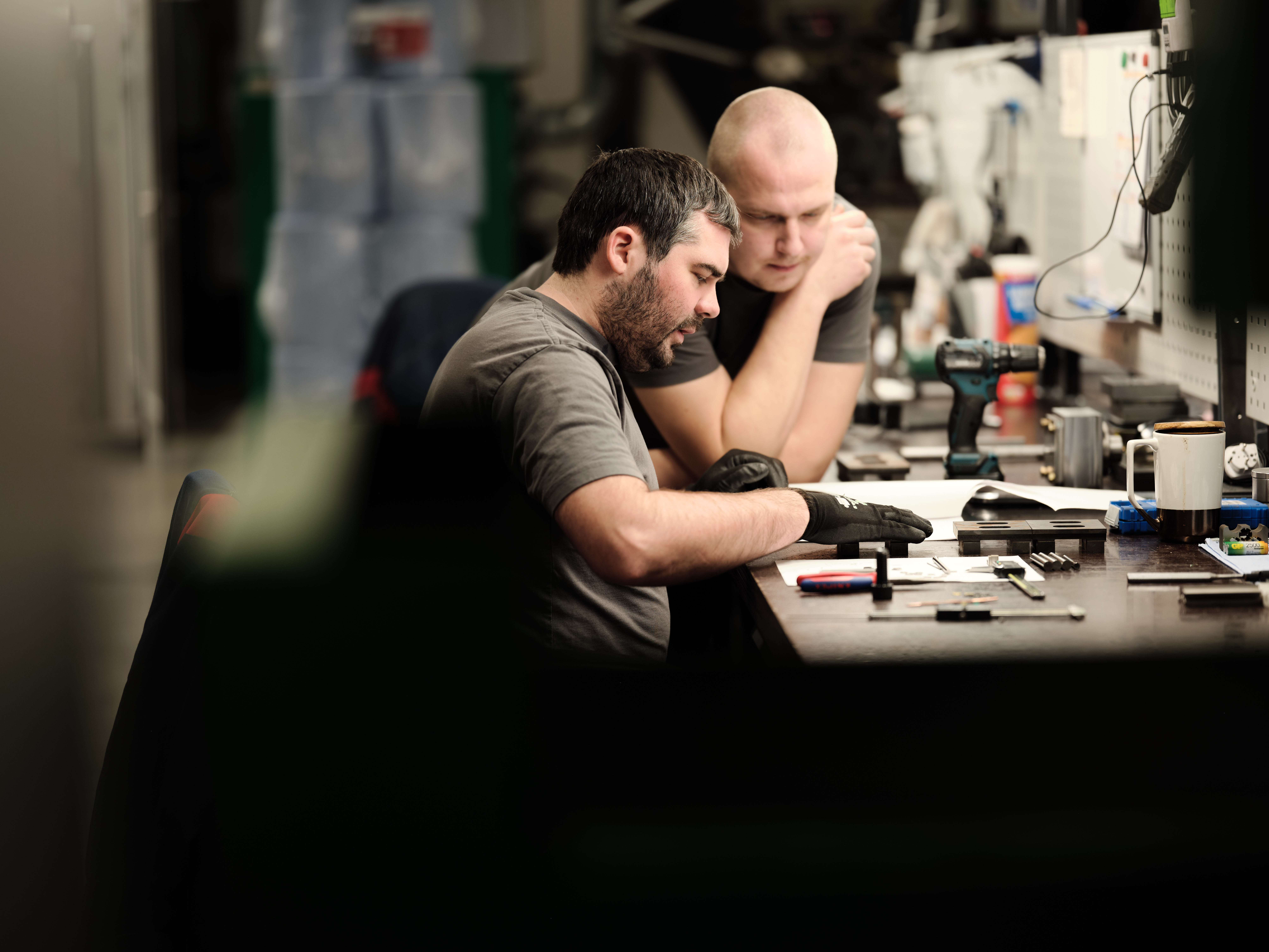
Recognizing that titanium, with its high strength-to-weight ratio, could deliver the required force pattern, we explored numerous manufacturing processes over a two-and-a-half-year development period to meet the exact requirements specified.
What our clients say
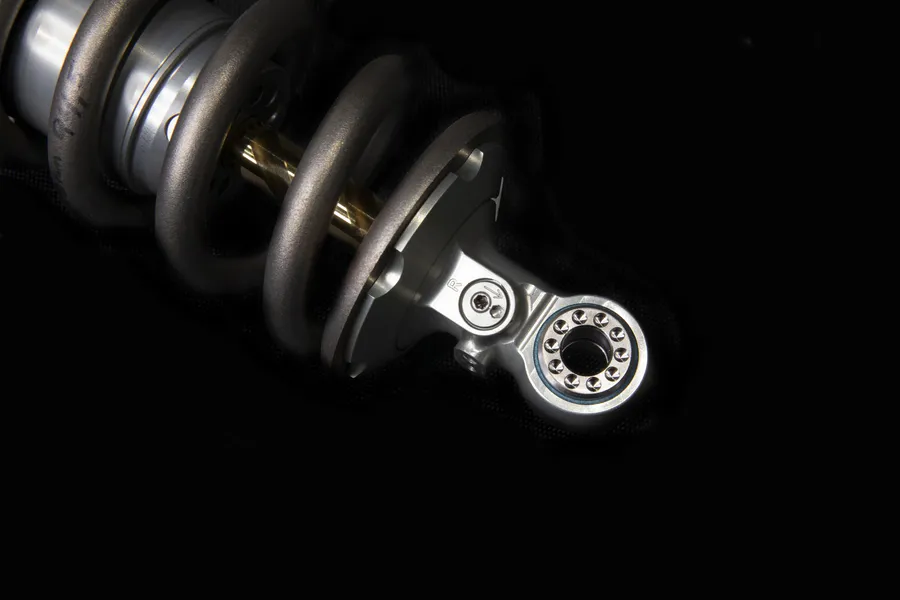
The Öhlins motorcycle suspension engineering journey
Mass industrial production of this specific suspension spring design and dimension had never been achieved before. To make it possible, Lesjöfors and Öhlins undertook a multi-step R&D program over many months:
- To secure the required aesthetic quality, the titanium wire had to be manually coiled to prevent scratch marks on the material.
- The spring design required parallel end fittings; however, grinding is a lengthy and complex process when working with titanium.
- Cutting the wire delivered the required parallel end finish but introduced challenges related to spring stress and dimensional tolerance.
- Carefully controlled heat-treatment processes were applied to relieve stress before and after cutting. Following extensive experimentation, the manufacturing process was successfully mastered.
What's next for Öhlins?
There are three race teams under the elite Öhlins Factory Racing umbrella currently using the new spring, and supply to the MotoGP teams is ongoing.
“Evidence has shown that the new Lesjöfors suspension spring has resulted in a considerable weight reduction without any compromise on the performance. In fact, the fatigue properties of the titanium spring far outweigh the properties of its corresponding steel spring, and to achieve this, as well as weight reduction, secures a uniquely high-performance spring.
This has not only been proved by our laboratory tests, but numerous tests have also been done on the racetrack where the MotoGP riders report the same feeling with the titanium springs as with a steel spring.”
- Jonas Torstensson, Design Engineer, Öhlins Racing.
Explore more case studies

Springs in Norwegian oil company
Lesjöfors engineered a series of hard-wearing compression springs designed to reduce the pressure on drilling equipment at sea.

Springs for the Öresund Bridge
Overcoming the vibrations on the longest combined road and rail bridge in Europe required our proven spring engineering and manufacturing expertise.

Springs in gymnastics equipment
Lesjöfors engineered a series of springs to further enhance the performance gained by athletes using sprung floors.
Find out more about the industries we work with



Ressourcer og support
- Få mere at vide om Lesjöfors
Om Lesjöfors
- Kontakt vores team af eksperter
Kontakt og support
- Udforsk FAQs og rådgivning
FAQ og teknisk rådgivning