
The role of heavy-duty springs in the Olympics
Publicēts: 2024 07 04
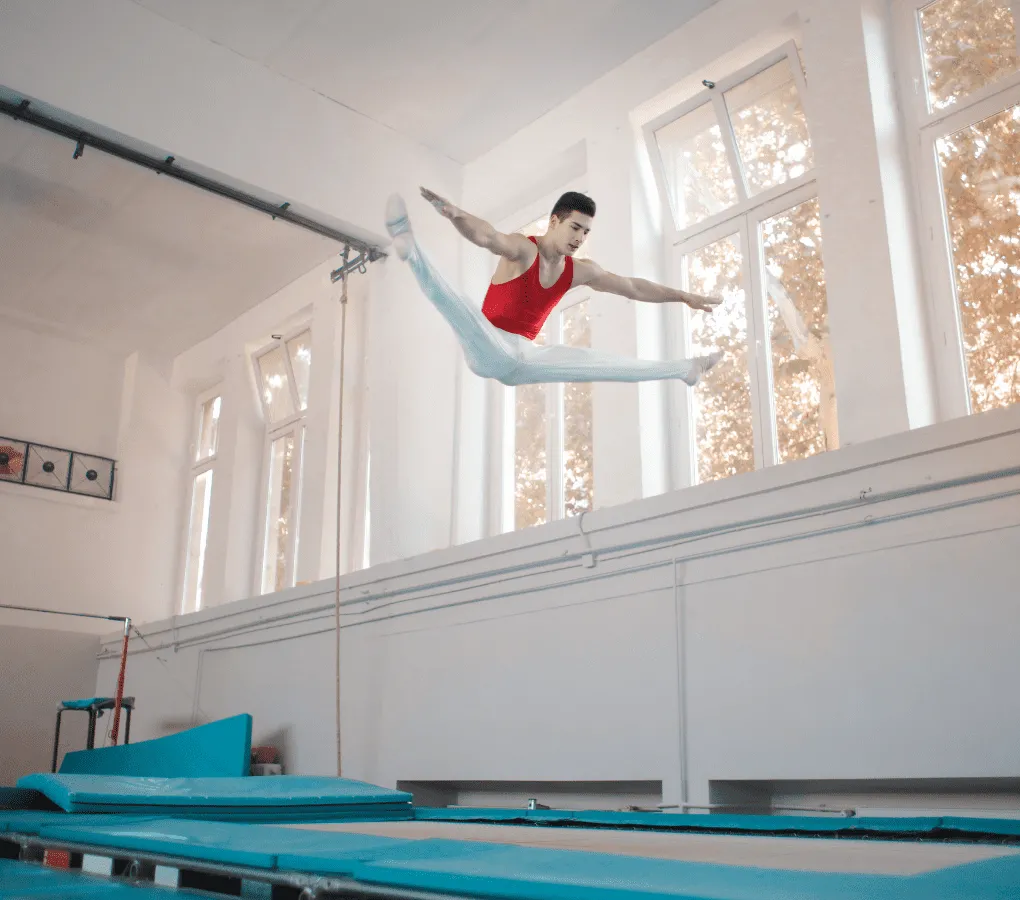
When you watch the Olympic Games you may be awe-struck at the sporting feats being carried out, watching excitedly as your country or favourite sportsperson achieves glittering medals on the podium. One thing we doubt you’re wondering whilst all this excitement is going on is the role of heavy-duty springs in the Olympics!
However, the answer might surprise you… discover how heavy-duty springs are vital to enhance performance and safety in all manner of summer Olympic sporting events. You’ll never look at heavy-duty springs in quite the same way again…
Gymnastics
Gymnastics is one of the oldest sports that is still practised today with origins that date back to ancient civilisation. In gymnastics events, heavy springs are integral to the performance and safety of the competing athletes. These robust springs provide the necessary bounce and resilience in apparatus like the vault, floor exercise, and trampoline, enabling gymnasts to achieve impressive heights and perform complex aerial manoeuvres. The springs are designed to absorb significant impact and provide a consistent rebound, which not only enhances the athletes' performance but also reduces the risk of injury by cushioning their landings. This technology allows gymnasts to push the boundaries of their abilities, showcasing their strength, agility, and precision on the global stage.
Trampolining
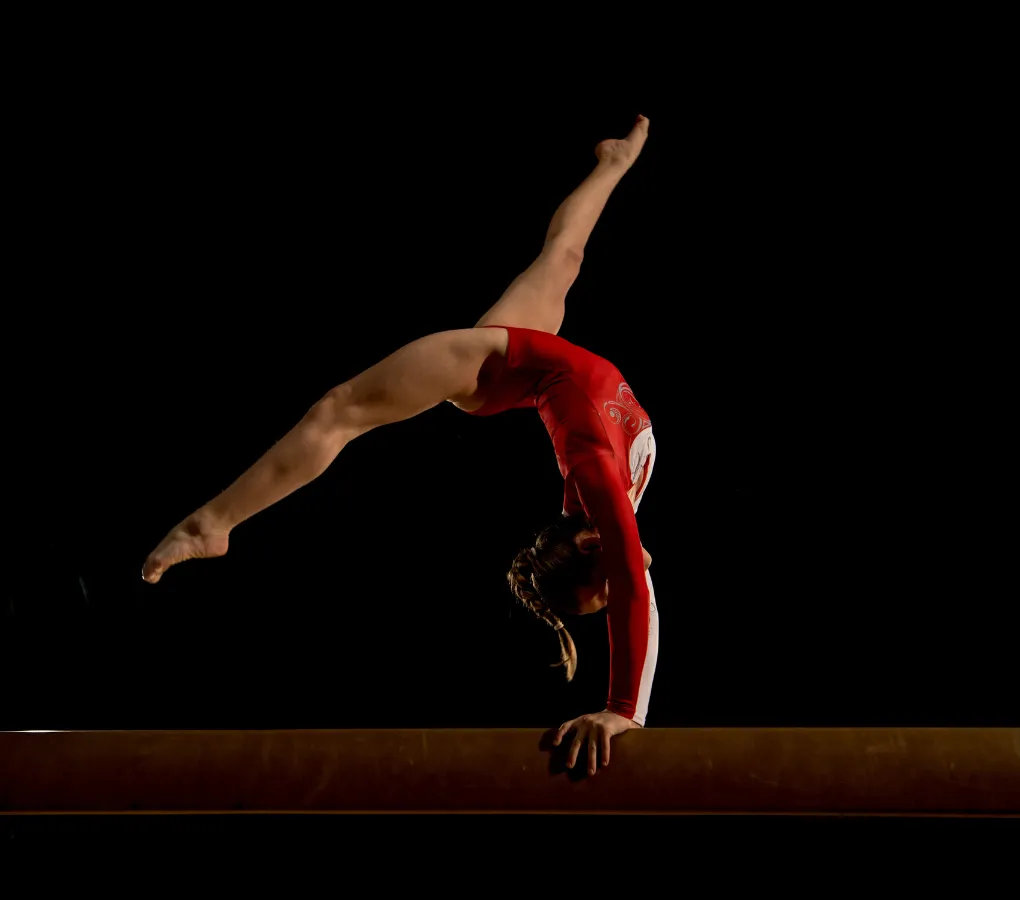
Trampolining is a breathtaking sport that can see athletes bounce over 8 metres in the air while performing a series of complex twists and somersaults. Can you imagine trying to trampoline with no bounce? Springs provide the all-important elasticity and power to trampolines, allowing athletes to achieve higher bounces and achieve impressive heights during routines.
Springs offer consistent performance which is vital for athletes to perform their routines with precision. The design and coiling of the springs are optimised to provide maximum energy return while minimising wear and tear. The coiling method and the number of coils per spring can affect the trampoline's overall performance. The uniform response of the springs helps athletes predict the bounce and time their movements accurately so is a vital element for Olympic-standard trampolining.
Diving
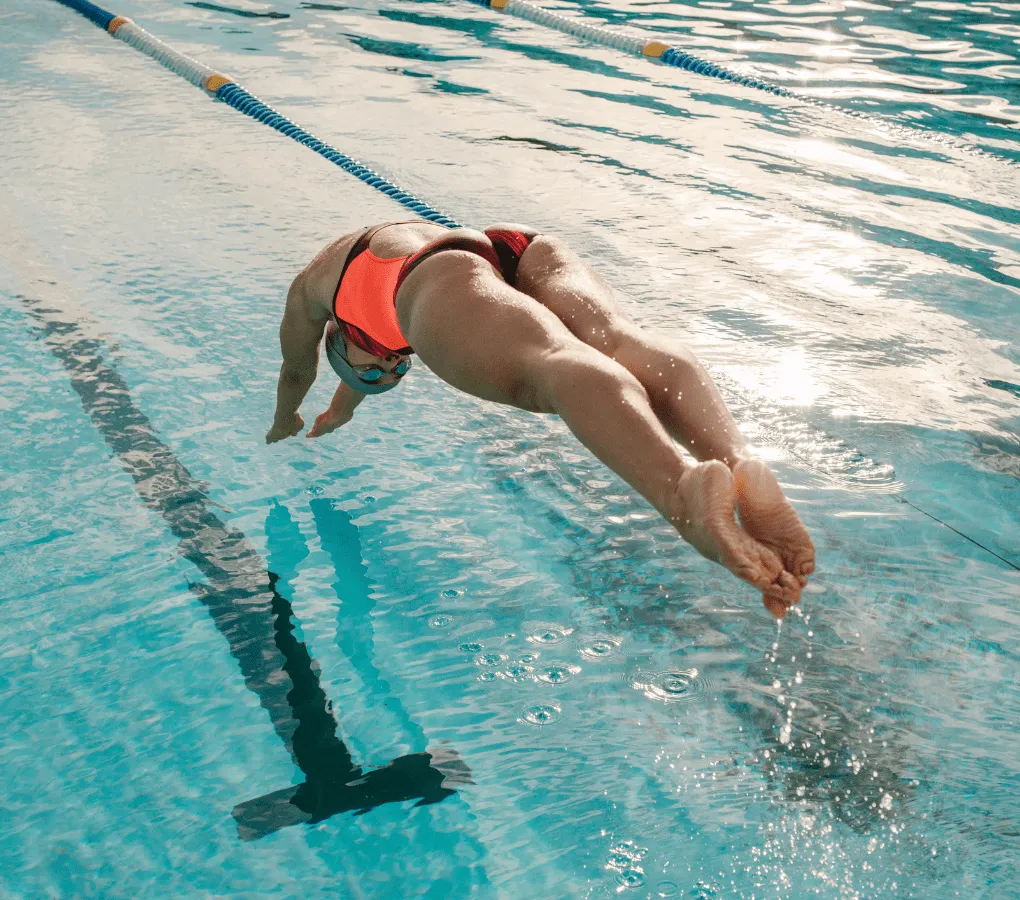
At the Olympic Games, the sport of diving is contested in eight events: the 3-metre springboard (individual and synchronised, men and women) and the 10-metre platform (individual and synchronised, men and women). The 3-metre springboard enables divers to leap high into the air, while the high dive is performed from a fixed platform position 10 metres above the water.
The individual and synchronised competitions take place at both heights. None of these incredible feats could be achieved without the use of springs. The springs' high tensile strength and durability allow for consistent and powerful propulsion, enabling divers to perform intricate manoeuvres with precision and flair.
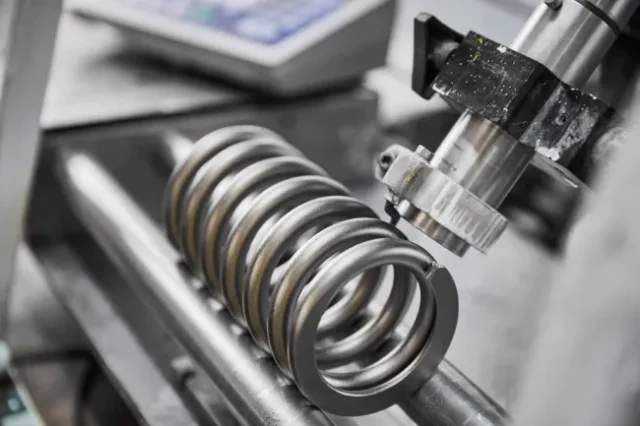
Pole vault
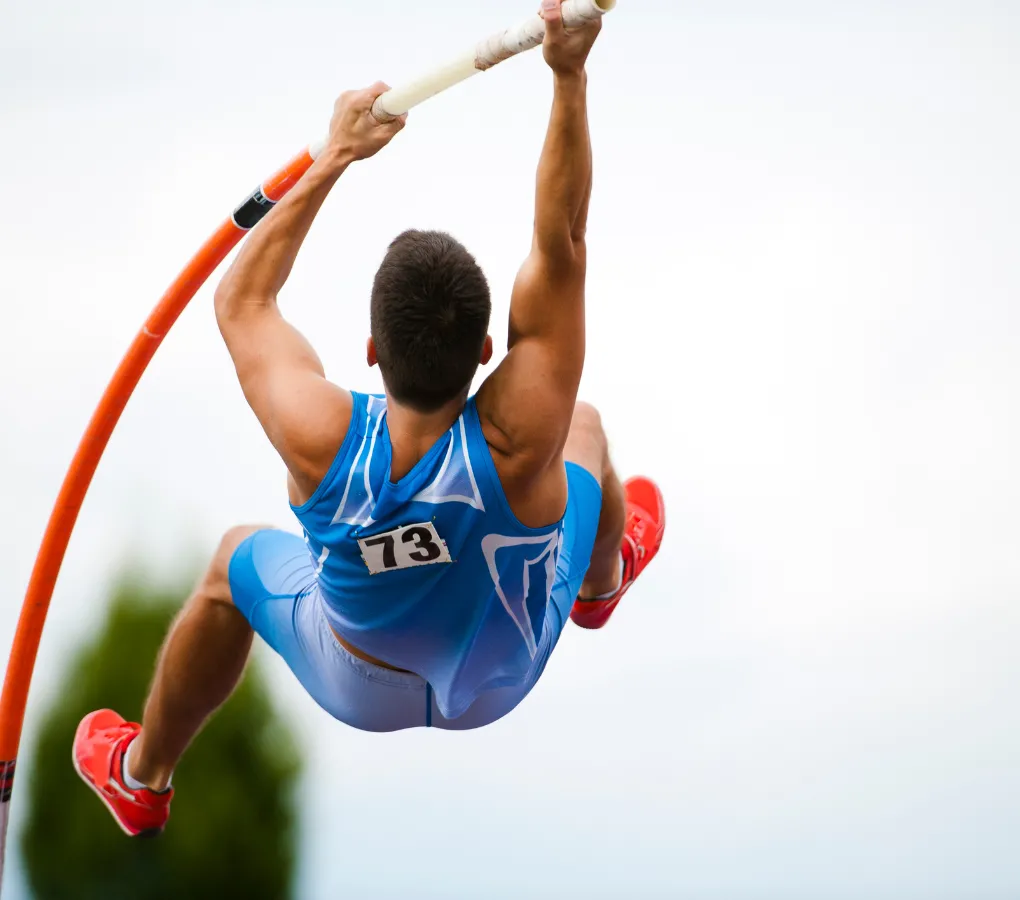
In a sport where every centimetre counts, the precision of heavy-duty springs is a vital component of the pole vault. The men's pole vault has been part of the Olympic athletics programme since the first Summer Olympics in 1896. .
Whilst pole vaults don’t benefit from springs directly, the fibreglass poles used in the sport emulate the action of a spring. The pole's spring-like characteristics require vaulters to have excellent timing and technique, and studying the physics behind springs is crucial for vaulters to predict how the pole will behave during their jump.
Weight-lifting
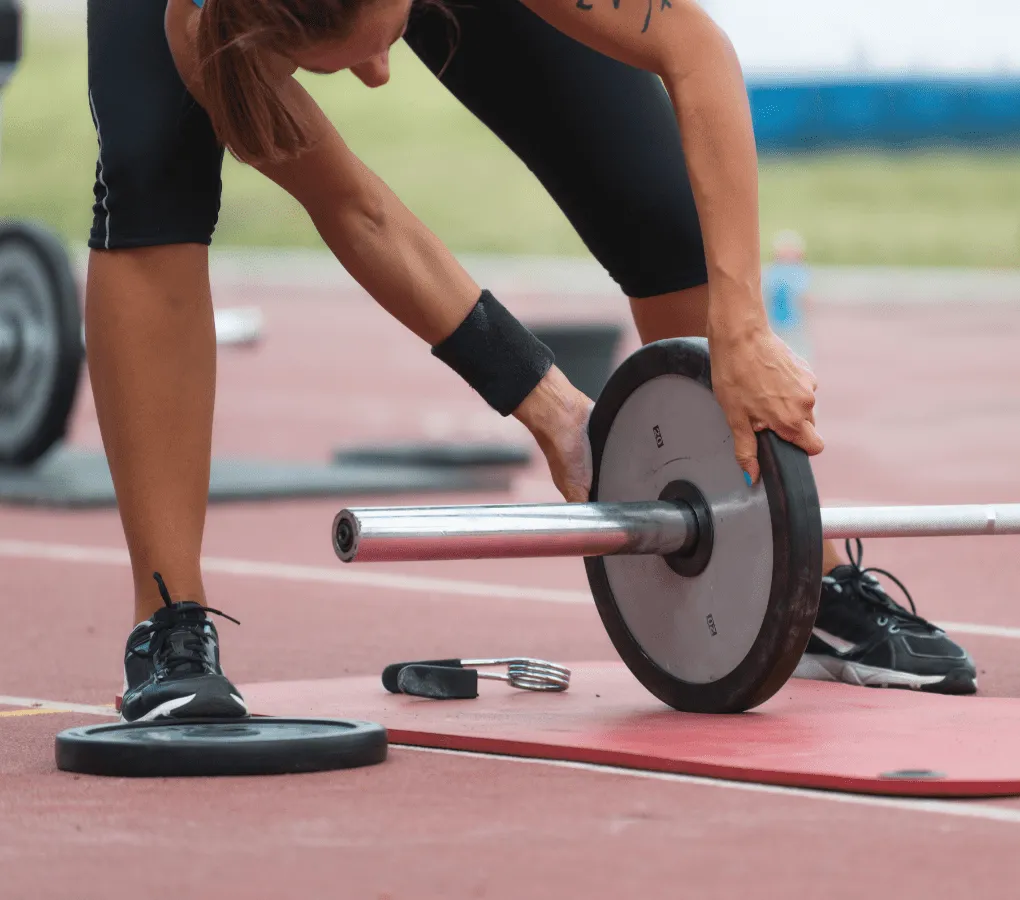
In line to reach full gender equality, the number of male and female categories in weightlifting will be the same for each gender, and this year’s Olympic games in Paris will host five weight divisions for each. Each weight class will compete in two events: snatch, and clean and jerk. Weight-lifting platforms often incorporate heavy-duty springs or spring systems underneath the surface to absorb the impact when weights are dropped. This protects the floor and reduces the noise and vibration caused when heavy weights are released by the athlete.
Springs are also used in the collars that secure weight plates on the barbell. These spring collars provide a tight grip to ensure the weights stay in place during lifts and are crucial for safety and optimum performance. Heavy-duty springs are also sometimes used as part of the resistance mechanism in weight machines which athletes use to train, providing smooth and consistent resistance throughout the range of motion.
Summary
Whether you watch this year’s Olympic Games from the comfort of your sofa, we hope that this rundown of how springs are used in the Olympics has provided an interesting insight you may not have considered before.
As a global leader in spring manufacture, here at Lesjofors, we feature the very latest and widest range of large-scale, high-end spring coiling machines, specialising in large and small spring manufacture across every industry. Contact us to find out more.